Your home’s paint does a lot more than just make it look nice. A quality paint job protects your home from moisture, sun damage, mold, and wood deterioration. Over time, however, even the best paint begins to wear down.
Many homeowners wait until paint is severely peeling before considering repainting—but by that point, your home may already be exposed to potential damage.
If you’re wondering whether it’s time to repaint your home, here are seven common warning signs to look for.
1. Peeling or Flaking Paint
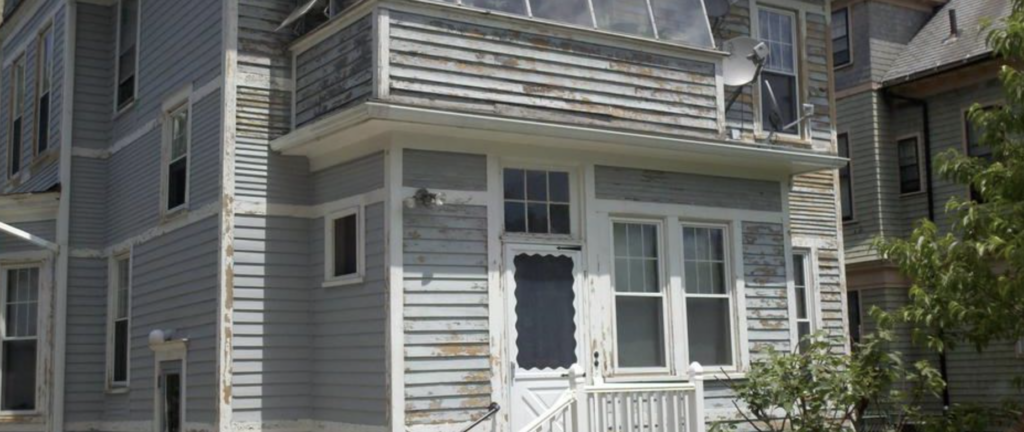
One of the most obvious signs your home needs repainting is paint that is peeling, flaking, or lifting off the surface. This happens when the bond between the paint and the surface begins to break down.
Peeling paint allows moisture to reach the material underneath, which can lead to wood rot, mold growth, or structural damage if left untreated.
If you notice peeling in multiple areas, it’s usually a sign that your home is due for a new coat of paint.
2. Fading Color
Over time, sunlight and weather exposure can cause paint to fade or lose its original color. Darker colors typically fade faster, especially on areas of the home that receive direct sunlight.
Fading doesn’t just affect your home’s appearance—it can also indicate that the protective layer of paint is starting to deteriorate.
If your home looks noticeably dull or washed out compared to when it was first painted, it may be time to refresh the exterior.
3. Cracking or Bubbling Paint
Cracks or bubbles in paint often occur when moisture becomes trapped underneath the surface or when paint ages and loses flexibility.
These imperfections can quickly spread and lead to peeling or deeper surface damage. Addressing these issues early can prevent more expensive repairs down the road.
4. Chalky Residue on the Surface
Have you ever rubbed your hand across your siding and noticed a white, powdery residue on your fingers? That’s called chalking.
Chalking happens when the paint binder breaks down due to weather exposure. When this occurs, the paint is no longer providing full protection for your home.
A professional cleaning and repainting can restore both protection and curb appeal.
5. Mold, Mildew, or Stains
Dark streaks, green spots, or black patches on painted surfaces may indicate mold or mildew growth. This commonly appears on shaded areas of a home where moisture lingers.
While cleaning may temporarily remove the stains, repainting with the proper preparation and high-quality paint helps prevent the issue from returning.
6. Cracked or Failing Caulking
Exterior paint systems work together with caulking around windows, doors, and trim to seal your home from water and air leaks.
If the caulking is cracked, brittle, or separating, moisture can enter behind the paint and cause it to fail. Repainting typically includes replacing or repairing this caulking to restore a proper seal.
7. It’s Been 7–10 Years Since the Last Paint Job
Even if your paint looks relatively good, time alone can signal it’s time for a new coat.
Most exterior paint jobs last 7 to 10 years, depending on the quality of materials used and how much sun, rain, and temperature change the home experiences.
If you’re approaching that timeframe, it’s a good idea to have a professional inspection.
Protect Your Home with Professional Painting
Repainting your home isn’t just about improving its appearance—it’s about protecting your investment. Addressing paint issues early can prevent costly repairs and keep your home looking its best for years to come.
If you’re noticing any of these warning signs, it may be time to consider repainting.
T.S. Precision Painting provides professional exterior painting services with attention to detail, quality materials, and lasting results.
Call 304-657-3925 today to schedule a free estimate and see how a fresh coat of paint can transform your home.